
Tribal Consultations
What is a Tribal Consultation?
Tribal consultation is a formal, government-to-government dialogue between representatives of Native American tribes and federal, state, or local government agencies. It involves seeking, discussing, and considering tribal views on proposed actions, policies, or projects that may affect tribal lands, resources, cultural sites, or sovereign interests, with the goal of incorporating input into decision-making and, where possible, reaching agreement.
State-Level Tribal Consultation Requests
California tribes may receive consultation requests from state or local agencies under specific statutes and executive orders. Key types include:
Local Government Planning Processes: Consultation on the adoption or amendment of general plans or specific plans by cities or counties to protect Native American sacred sites or accommodate tribal land use needs. Relevant framework: Senate Bill 18 (SB 18, 2004; Cal. Gov. Code §§ 65352.3, 65562.5).
Environmental Project Impacts on Tribal Cultural Resources: Consultation on projects subject to the California Environmental Quality Act (CEQA) that may affect tribal cultural resources, such as landscapes, sacred places, or traditional use areas, including mitigation discussions. Relevant framework: Assembly Bill 52 (AB 52, 2014; Cal. Pub. Res. Code §§ 21080.3.1, 21080.3.2, 21084.2).
Policy, Legislation, and Regulatory Development: Consultation on proposed state legislation, regulations, rules, or policies that may impact tribal governments, communities, or interests, emphasizing early engagement. Relevant framework: Executive Order B-10-11 (2011), reaffirmed by Executive Order N-15-19 (2019).
Federal-Level Tribal Consultation Requests
Federally recognized tribes in California may receive consultation requests from federal agencies under various laws and executive orders, often related to actions affecting tribal lands, resources, or rights. Key types include:
Historic Preservation and Cultural Properties: Consultation on federal undertakings (e.g., construction, permits) that may affect historic properties of religious or cultural significance to tribes. Relevant framework: National Historic Preservation Act (NHPA), Section 106 (54 U.S.C. §§ 300101 et seq.; 36 C.F.R. Part 800).
Environmental Impact Assessments: Consultation on federal actions with potential environmental effects on tribal lands or resources, such as infrastructure projects or land management plans. Relevant framework: National Environmental Policy Act (NEPA; 42 U.S.C. §§ 4321 et seq.), implemented via Executive Order 13175 (2000).
Archaeological Resource Protection: Consultation on regulations or permits involving archaeological resources on federal or tribal lands. Relevant framework: Archaeological Resources Protection Act (ARPA; 16 U.S.C. §§ 470aa-470mm).
Repatriation of Cultural Items and Remains: Consultation on the identification, inventory, and repatriation of Native American human remains, funerary objects, or sacred items from federal lands or collections. Relevant framework: Native American Graves Protection and Repatriation Act (NAGPRA; 25 U.S.C. §§ 3001 et seq.).
Endangered Species Management: Consultation on actions affecting endangered species, incorporating tribal rights and trust responsibilities. Relevant framework: Endangered Species Act (ESA; 16 U.S.C. §§ 1531 et seq.), via Joint Secretarial Order 3206 (1997).
Housing and Urban Development Programs: Consultation on policies or programs with substantial direct effects on tribes, such as housing assistance or community development. Relevant framework: Executive Order 13175 (2000), applied to HUD under the Native American Housing Assistance and Self-Determination Act (NAHASDA; 25 U.S.C. §§ 4101 et seq.).
General Federal Policy Development: Broad consultation on any federal policies, regulations, or actions with tribal implications, ensuring government-to-government dialogue. Relevant framework: Executive Order 13175 (2000; 65 Fed. Reg. 67249).
What are Voluntary or Non-Compulsory Collaborations?
These collaborations are initiated by agencies or tribes without a legal mandate, often to foster relationships, address emerging issues proactively, or ensure broader input on matters with indirect or potential tribal implications. While not required, they follow similar principles of respectful, two-way dialogue and can help prevent conflicts or enhance policy development, as seen in some federal agency practices extending beyond strict requirements.
Tribal-State Collaborations
Water and Environmental Resource Management: Voluntary partnerships where tribes collaborate with state agencies like the California Natural Resources Agency (CNRA), Department of Water Resources (DWR), and Department of Fish and Wildlife (DFW) on habitat restoration, flow improvements, and science-based initiatives, incorporating Tribal Ecological Knowledge (TEK) into decision-making processes. For instance, the Agreements to Support Healthy Rivers and Landscapes include tribal informational meetings, caucuses, and committee memberships to address ecosystem health without mandatory requirements, fostering innovative data-sharing agreements that protect tribal sovereignty while advancing climate resiliency.
Economic Development and Job Creation: State grants to tribes for projects like energy plans, aquaculture centers, resilience hubs, and career pathways in clean economy sectors, emphasizing self-determination and regional opportunities. An example is the $15 million Regional Investment Initiative awards, which support innovative business development, research, and training without legal mandates, creating jobs and leveraging tribal expertise for sustainable growth.
Broadband and Digital Infrastructure: Collaborations to bridge the digital divide, such as the Hoopa Valley Tribe's partnership with the state to deploy high-speed internet on remote reservations, involving joint planning and funding applications to enhance connectivity and economic access through innovative technical assistance grants.
Tourism and Cultural Promotion: Initiatives like the state-tribal tourism website project, where tribal leaders and state officials co-develop platforms to highlight indigenous music, art, history, and nature, promoting cultural tourism and economic benefits through voluntary storytelling and marketing collaborations.
Health and Wellness Programs: Partnerships for medication-assisted treatment (MAT) and recovery efforts, where tribes work with state entities to create mutual opportunities in healthcare, sharing resources and expertise to address substance use disorders innovatively without compulsory frameworks.
Tribal-County Collaborations
Integrated Resource Partnerships: Long-term collaborations like the North Coast Resource Partnership (NCRP), involving tribes and counties (e.g., Del Norte, Humboldt) in multi-objective planning for watersheds, salmonid habitats, and climate adaptation. These voluntary efforts integrate TEK with local knowledge for projects like water infrastructure upgrades and habitat restoration, investing over $120 million in innovative, equity-focused outcomes such as job creation and emission reductions.
Transportation and Environmental Justice: Regional efforts, such as the San Diego Association of Governments (SANDAG) collaborations or Central Valley Tribal Transportation Project, where tribes and counties update road inventories, secure funding, and address environmental impacts. These voluntary initiatives enhance tribal transportation funding and promote justice through joint planning and project implementation across eight counties.
Parks and Cultural Land Management: Appointments of tribal liaisons in county parks systems to facilitate ongoing dialogue on land stewardship, cultural preservation, and community programs, enabling innovative co-management of resources and events without legal obligations.
Justice and Wellness Systems: Intergovernmental arrangements in Tribal Healing to Wellness Courts, where tribes collaborate with counties (e.g., Humboldt, Del Norte) on case transfers, resource sharing, and participant support, innovating hybrid approaches to healing and justice that blend tribal traditions with county services voluntarily.
Tribal-Municipality Collaborations
Water Management and Infrastructure: Partnerships within Integrated Regional Water Management (IRWM) programs, where tribes and local municipalities collaborate on water supply, quality, and planning projects. For example, arrangements to share resources or co-develop mitigation strategies, overcoming barriers through voluntary inclusion to innovate in regional water resilience without state mandates.
Climate and Habitat Restoration: Alliances for projects like river advocacy and land restoration, where tribes partner with city-level entities or municipal-linked nonprofits to incorporate TEK in climate adaptation, such as cultural burns and ecosystem planning, fostering innovative cross-cultural efforts for sustainability.
Community Development and Expertise Sharing: Collaborations with municipal organizations to exchange cultural resources, skills, and best practices, such as joint training or program development for youth and health initiatives, building mutual capacity through voluntary models that enhance tribal and local community outcomes.
Tribal Consultation Officers
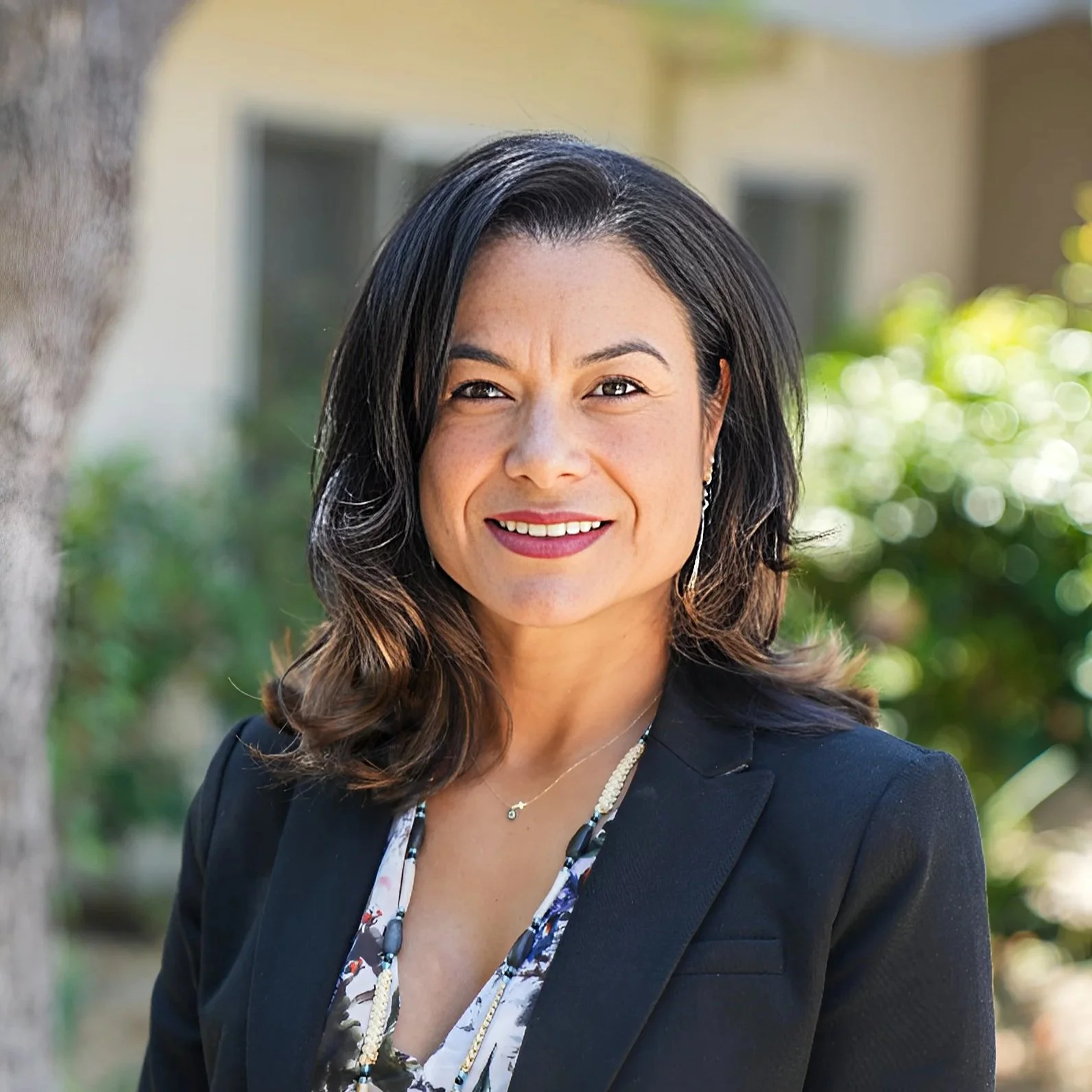
Charlene Nijmeh
Charlene C. Nijmeh, President of the Muwekma Ohlone Preservation Foundation, steers initiatives in cultural revitalization, land stewardship, and education for the Muwekma Ohlone Tribe. Elected Chairwoman in 2018, she upholds her mother Rosemary Cambra's 40-year legacy, rooted in the Marine-Sanchez lineage of Bay Area first peoples and Mission San Jose survivors.
Tribal Chairwoman
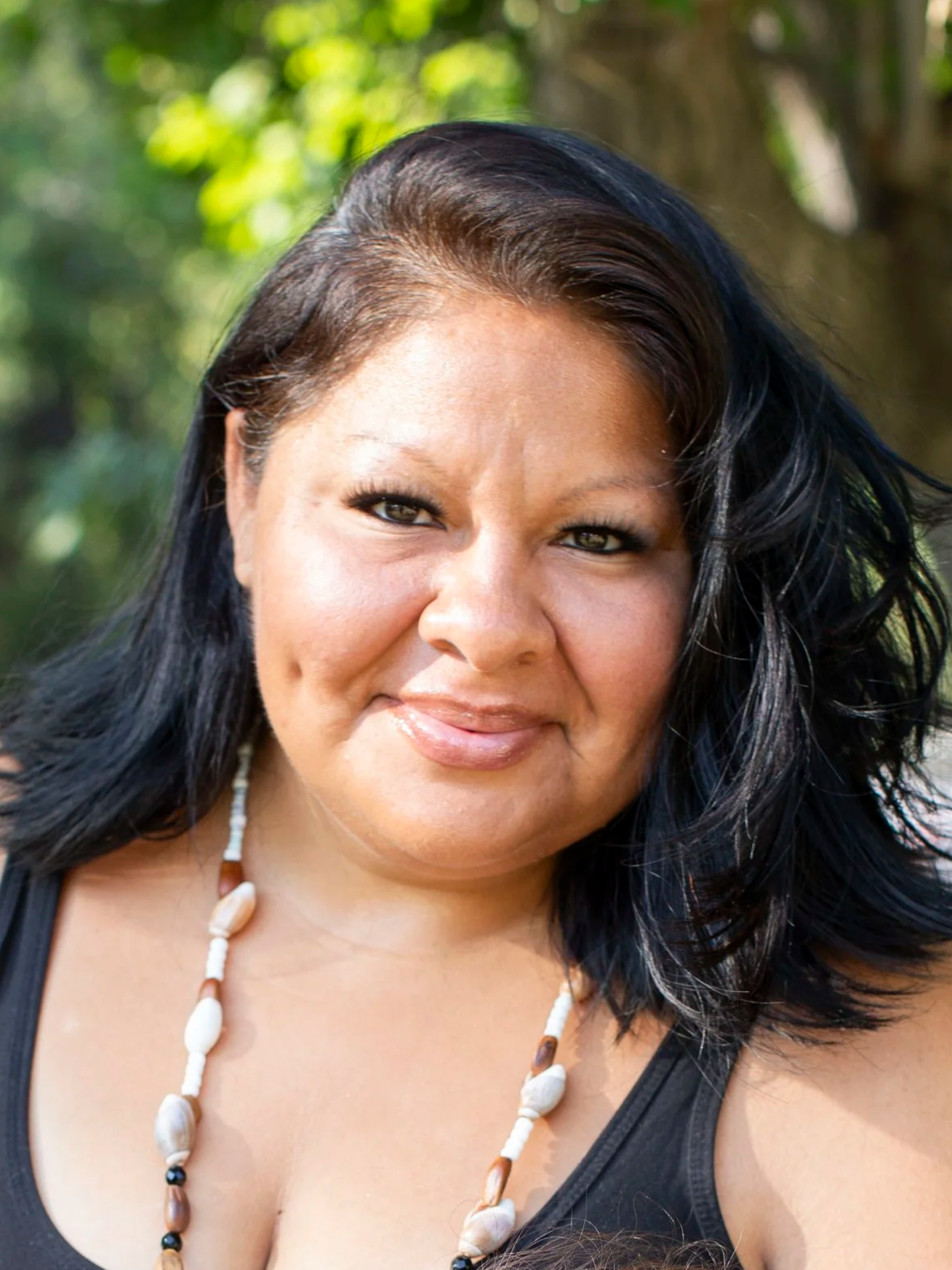
Bernadette Quiroz
Bernadette Quiroz, Muwekma Ohlone Tribal Member and Board Member of the Preservation Foundation, chairs Language Revitalization efforts to revive the endangered Chochenyo language through innovative online tools and cultural integration. A passionate mother of three, she supports fundraising and cherishes hearing her people speak their native tongue.
Executive Director
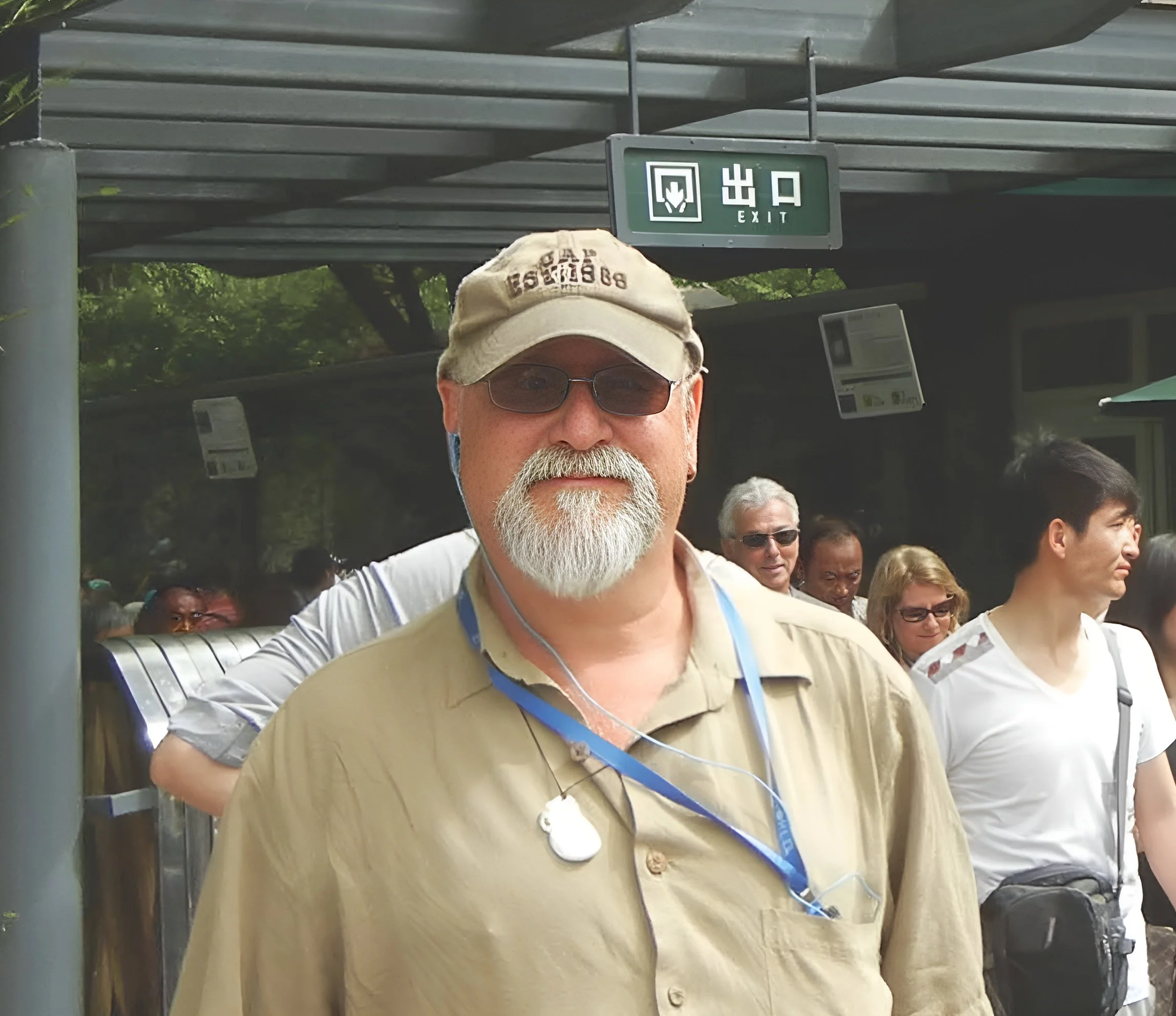
Tribal Archaeologist and Ethnohistorian
Alan Leventhal
Alan Leventhal, is a Board Member of the Muwekma Ohlone Preservation Foundation and serves as Tribal Ethnohistorian. He is an Emeritus Faculty in Anthropology at San Jose State University. For over 42 years, he has partnered with the Muwekma Ohlone Tribe as senior archaeologist, driving repatriation, cultural heritage preservation, and federal recognition through ethnohistorical research, genomics studies, and collaborative exhibits.