The Trail of Truth
Our journey for justice.
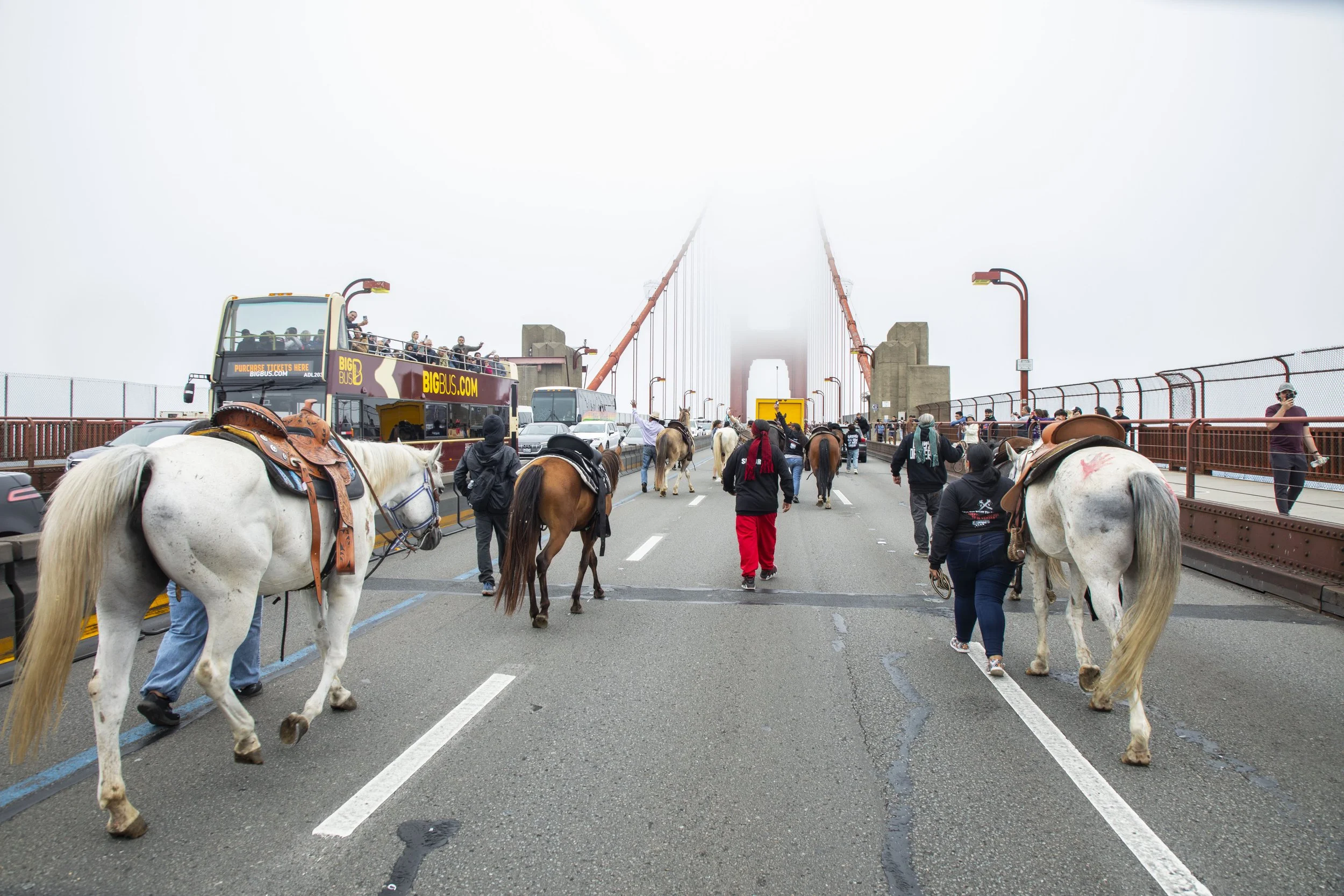
In the shadowed annals of Indigenous resilience, the Muwekma Ohlone Tribe's Trail of Truth emerges as a profound odyssey of reclamation, a sacred pilgrimage etched into the earth's memory. Commencing on August 4, 2024, from the mist-shrouded shores of San Francisco's Crissy Field, this 90-day horseback journey traversed the vast expanse of Turtle Island, from the Golden Gate's iconic span to the marble halls of Washington, D.C. Led by Chairwoman Charlene Nijmeh and tribal kin, it symbolized an unyielding quest for federal recognition, denied for four decades by bureaucratic veils that obscure ancestral truths.
Rooted in over 10,000 years of stewardship over the San Francisco Bay's verdant estuaries and rolling hills, the Trail of Truth confronted the echoes of genocide, displacement, and systemic erasure inflicted by colonial forces. Each hoofbeat resonated with the spirits of forebears, invoking a collective heartbeat against generational trauma, poverty, and the denial of sovereignty. Riders, supported by allied tribes like the Shinnecock and Akwesasne, drummed rhythms of unity, weaving through deserts, plains, and capitals, demanding justice from Governor Newsom in Sacramento and the Biden Administration in D.C.
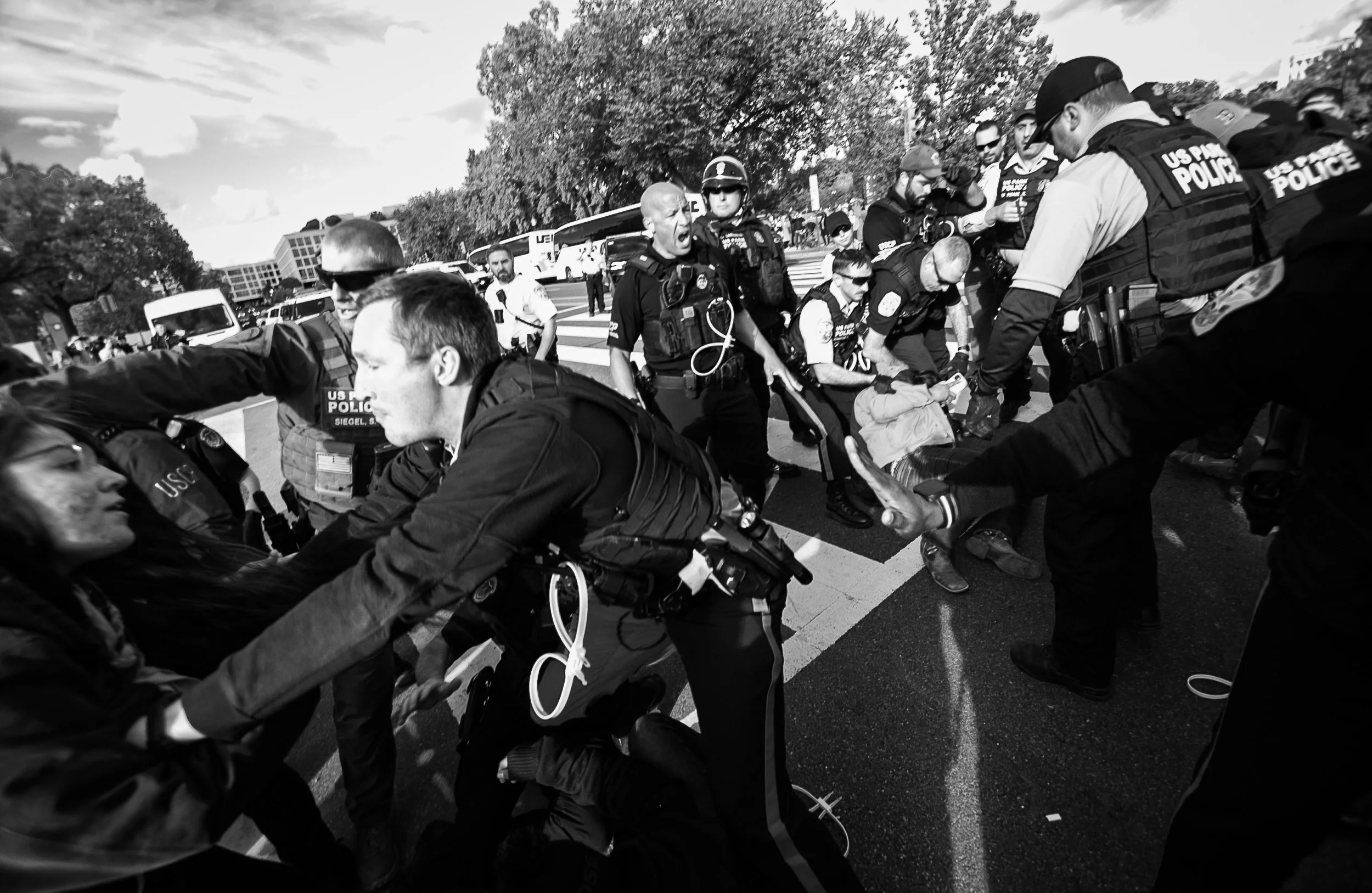
Yet, profundity met peril: In D.C., peaceful demonstrators faced violence from National Parks Police, a stark reminder of enduring oppression. This journey transcended mere protest; it was a metaphysical bridge between past wounds and future healing, affirming that the Muwekma—meaning "the people"—endure not as relics, but as vital threads in the tapestry of existence. Through it, they invoked reciprocity with the land, challenging amnesia with unassailable truth, fostering a renaissance of cultural vitality for generations unborn. In this Trail, the profound whispers: We are here, unbreakable, eternal.
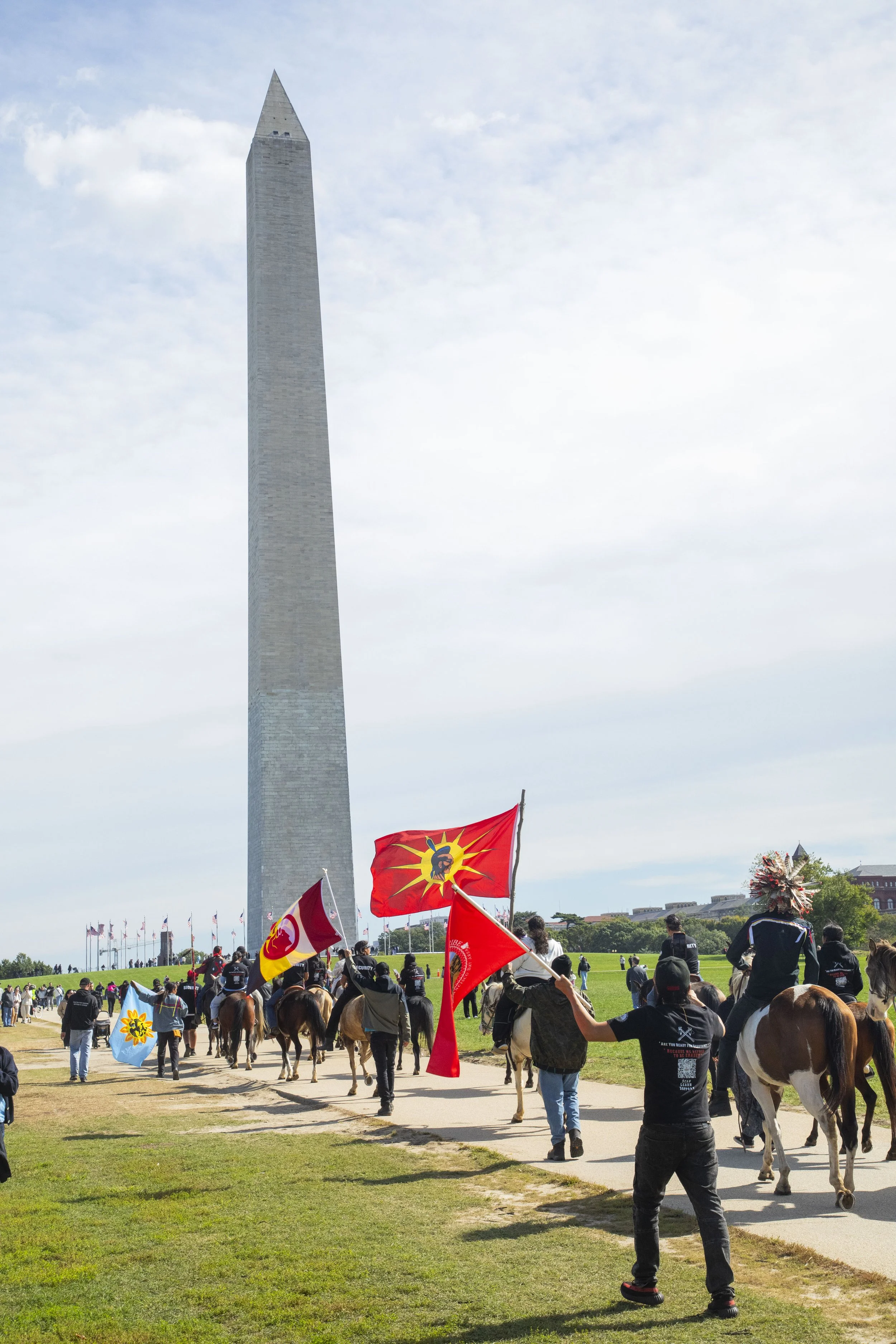
The healing impacts of the Trail of Truth extend far beyond the physical miles traversed on horseback from the shores of Crissy Field to Washington, D.C.
This sacred 90-day journey, undertaken by our Tribe, served as living medicine for the wounds of historical trauma, political erasure, and cultural disconnection that have afflicted our people and countless Indigenous communities for generations.
At its core, the Trail offered profound emotional and spiritual healing. For decades, the federal government’s refusal to recognize the Muwekma Ohlone perpetuated a profound invisibility, exacerbating generational trauma, poverty, and limited access to education, healthcare, and housing. As Chairwoman Charlene Nijmeh has shared, the journey uplifts our children from the generational trauma and poverty that unrecognized tribes endure. On the Trail, riders and participants shed the heavy cloak of grief. The steady rhythm of hooves on earth became a prayer—a rhythmic release connecting riders to the land and to ancestors who endured forced removals and broken treaties. Sacred fires, lit with intention and tended by culture bearers, acted as purifying agents—flames that consumed the lies of erasure and illuminated paths to renewal. Ceremonies along the way purified souls and restored balance. The journey itself was prayer in motion; land emerged as healer, its diverse landscapes reminding us of our deep-rooted belonging and fostering a sense of homecoming even in motion.
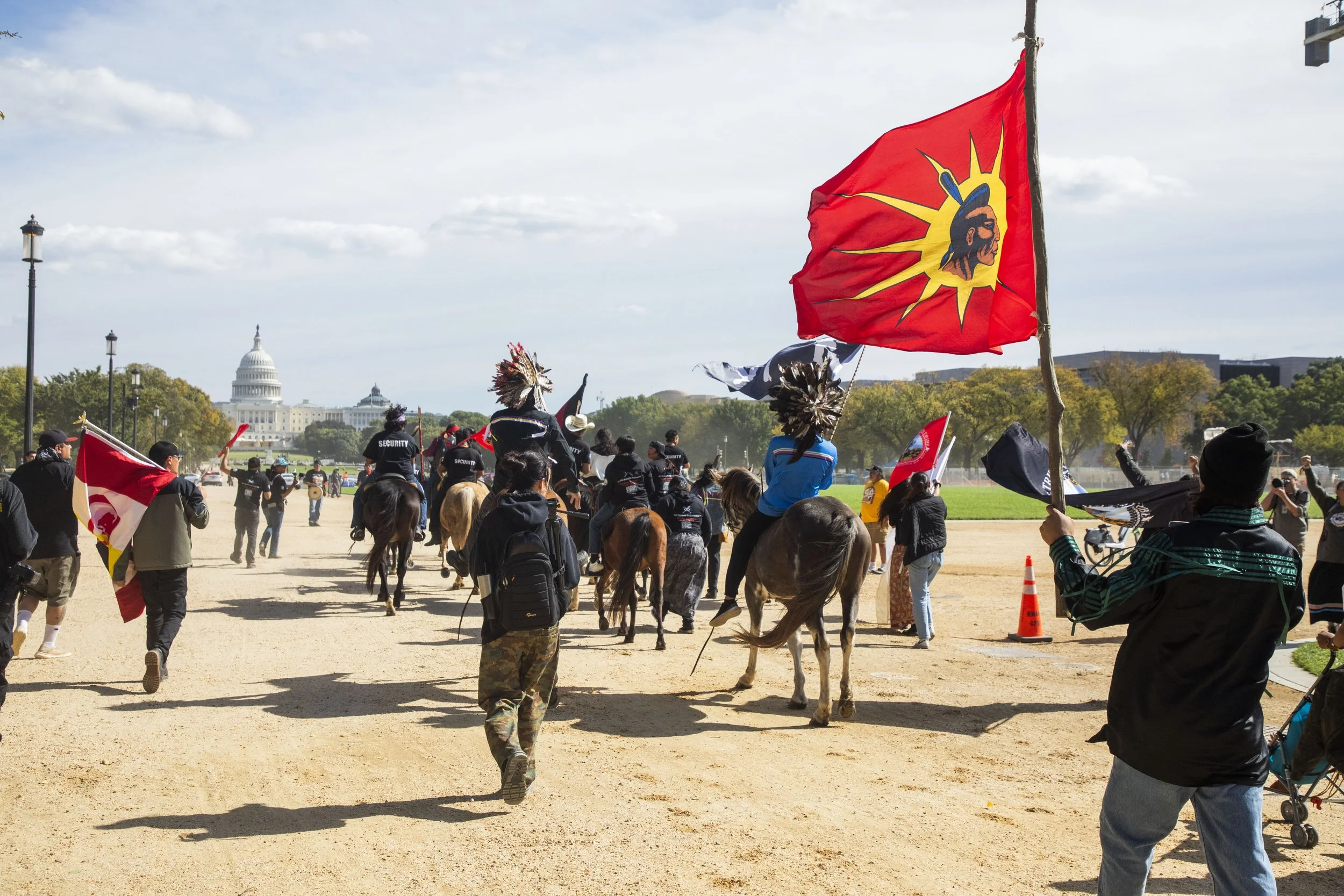
The Trail of Truth opened unprecedented channels of nation-to-nation diplomacy.
Our riders shared the road with Oglala Lakota kin from Pine Ridge, whose horse medicine and shared ceremonies wove unbreakable bonds of solidarity. These alliances transcended the artificial divide between federally recognized and unrecognized tribes. At stops across Indigenous communities, we exchanged stories of struggle and strategies for decolonization, creating living frameworks for mutual support.
Unrecognized tribes from California and beyond were invited to join or align, transforming isolation into collective power. The Trail modeled a new diplomacy rooted in ceremony, reciprocity, and shared land connection rather than bureaucratic gatekeeping. Prayers rose together around sacred fires; strategies for sovereignty were traded like sacred gifts. These relationships continue to ripple outward, strengthening intertribal networks that demand seats at tables—from federal recognition processes to trade negotiations such as USMCA—where Indigenous voices have long been excluded.
Visibility impacts proved equally transformative. For decades, Muwekma Ohlone existence had been rendered invisible by federal denial. The Trail shattered that silence. The opening rally and Golden Gate Bridge march drew immediate public and media attention. As the caravan moved eastward—through cities, rural lands, and tribal territories—the story of our people and the broader crisis of unrecognized tribes traveled with us. National outlets carried images of thundering hooves and determined riders, while local communities witnessed Indigenous resilience firsthand. By the time we reached Washington, D.C., the journey had become a national symbol of Indigenous political liberation. An encampment and advocacy presence on Capitol Hill forced the issue of federal recognition into the centers of power. The contrast between the forced Trail of Tears and our self-determined Trail of Truth underscored a powerful narrative shift: from victimhood to agency, from erasure to undeniable presence.
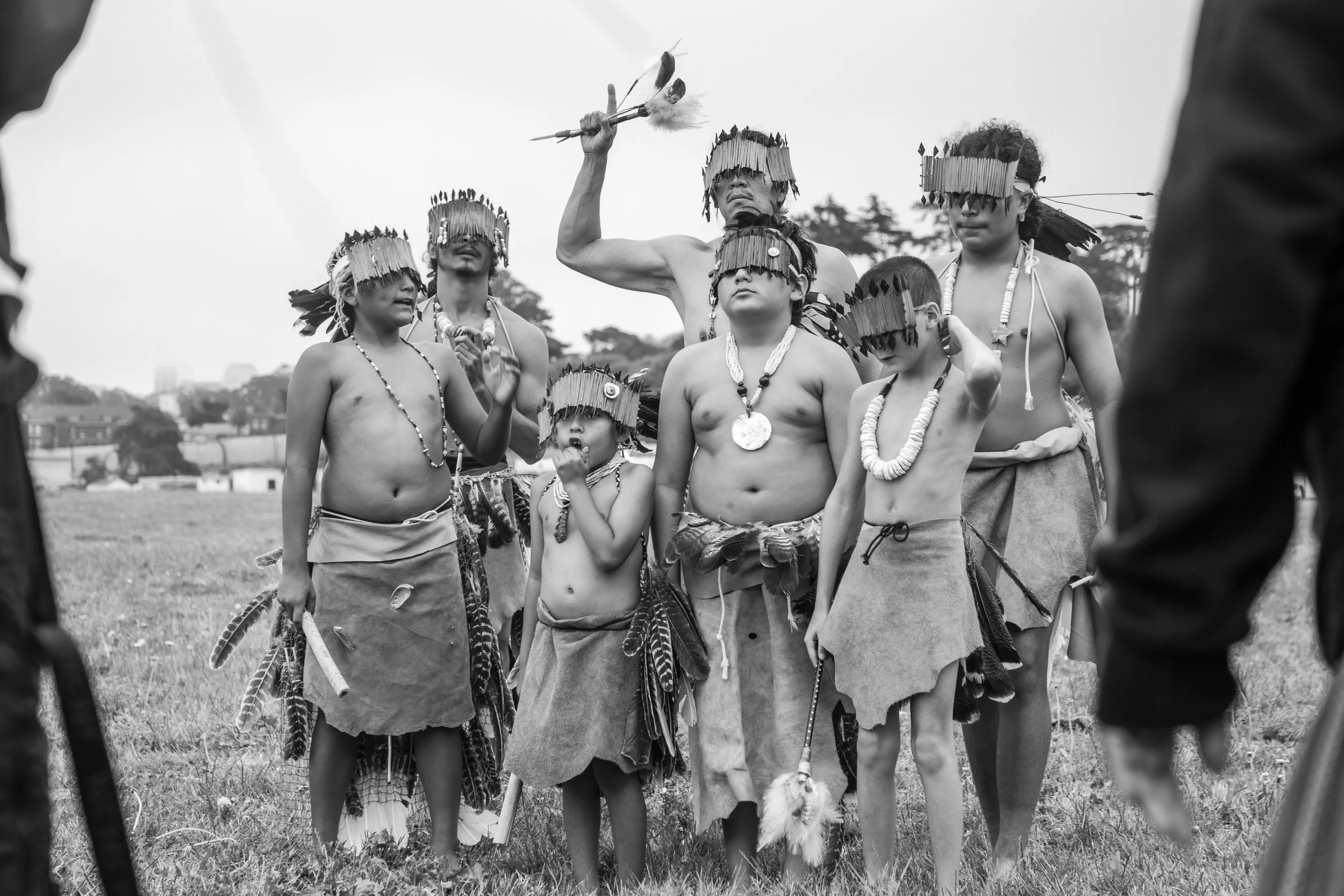
Solidarity rises like an ancient river reclaiming its course.
Unstoppable, life-giving, and deeply rooted in the teachings of our ancestors.
When our people rode the Trail of Truth alongside Oglala Lakota relatives from Pine Ridge and kin from many nations, we lived this truth: separated by geography, language, and colonial borders, we are brothers and sisters bound by shared memory, struggle, and destiny. Solidarity is not sentiment. It is power.
Its power lies in breaking the colonial strategy of isolation. For centuries, empires divided us—recognized from unrecognized, north from south, reservation from urban—to weaken our collective voice. Yet when we gather, ride, pray, and strategize together, that division collapses. On the Trail of Truth, sacred fires lit by Muwekma culture bearers welcomed Lakota horse medicine and shared prayers. Stories of decolonization flowed freely. What one nation learned through generations of resistance became medicine for all. This exchange multiplies strength: a single voice becomes a chorus; one tribe’s demand for recognition echoes as a continent-wide call for justice. Solidarity heals intergenerational trauma by reminding us we are not alone. It restores dignity stolen by erasure and transforms grief into collective purpose.
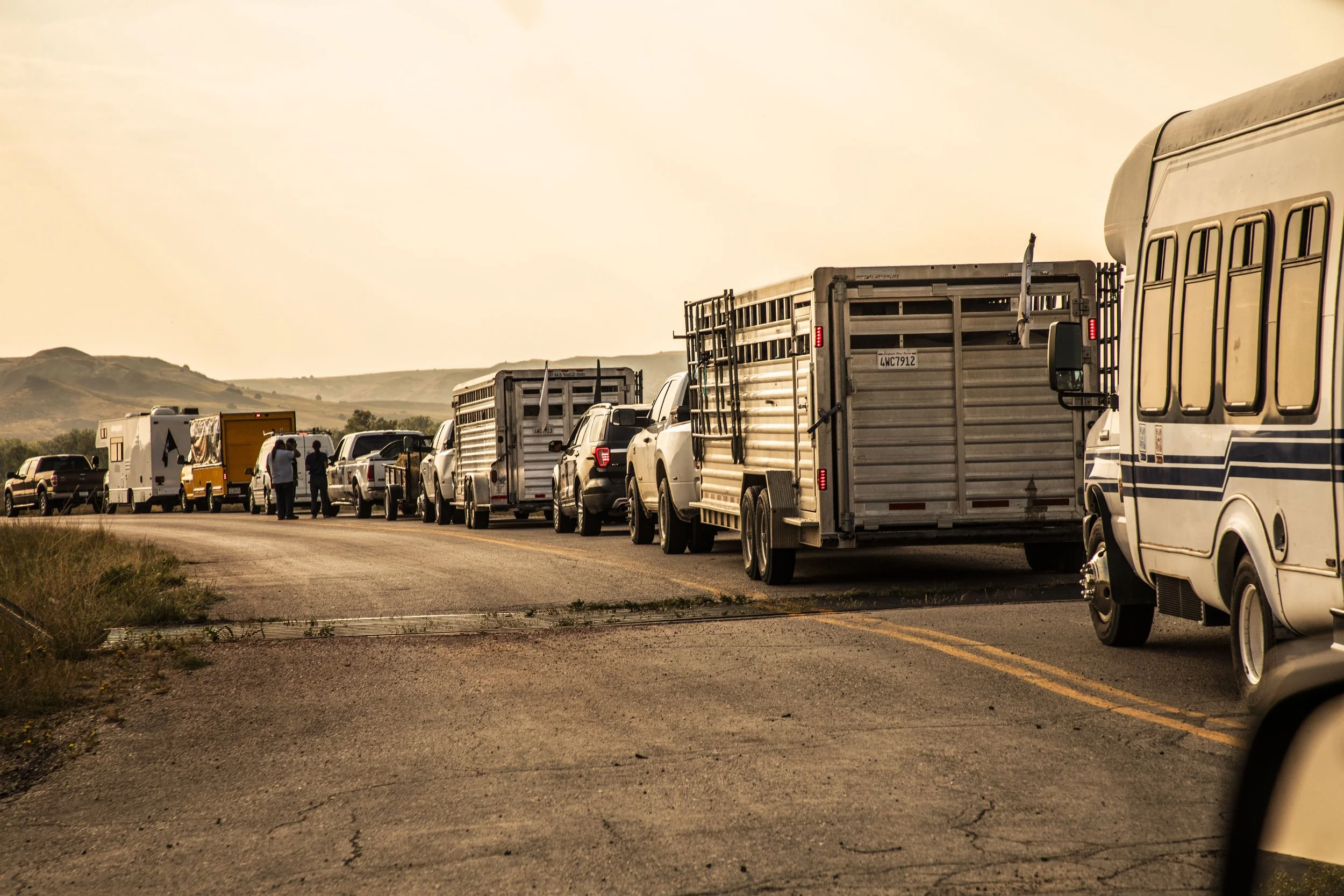
A vision born of memory and resolve.
Decolonization and political liberation are not distant dreams—they are the living breath of our ancestors guiding us toward futures where sovereignty is not negotiated but inherent. The Trail of Truth, with its thundering hooves and shared fires, was one step on this path. What lies ahead is a continent reimagined through Indigenous futurisms: worlds where our nations thrive on our own terms, rooted in ancient wisdom yet radiant with possibility.
Decolonization begins with the return of land. We envision vast territories rematriated— not as symbolic gestures but as living homelands where rivers run clean, forests regenerate under cultural burning, and species once driven to the edge return through Indigenous stewardship. Traditional ecological knowledge, long dismissed, becomes the foundation of climate resilience. Cities rise with Indigenous design principles: buildings that breathe with the land, public spaces where languages once silenced now sing in the streets. Education systems, once tools of assimilation, transform into places where children learn governance from the land itself—stories of Coyote and Sky Woman teaching ethics, science, and law in one breath.
Political liberation means the full restoration of nation-to-nation relations. In these futures, every Indigenous nation—recognized or long denied—holds equal standing. Federal recognition is no longer a bureaucratic hurdle but a swift affirmation of living sovereignty. Tribes exercise inherent jurisdiction over lands, waters, and citizens without interference. We sit at every table where decisions about our territories are made, with veto power rooted in our original instructions. Economic systems shift from extraction to reciprocity: Indigenous-led energy projects power the continent, tribal financial institutions operate on their own terms, and gaming and trade flourish under sovereign jurisdiction.
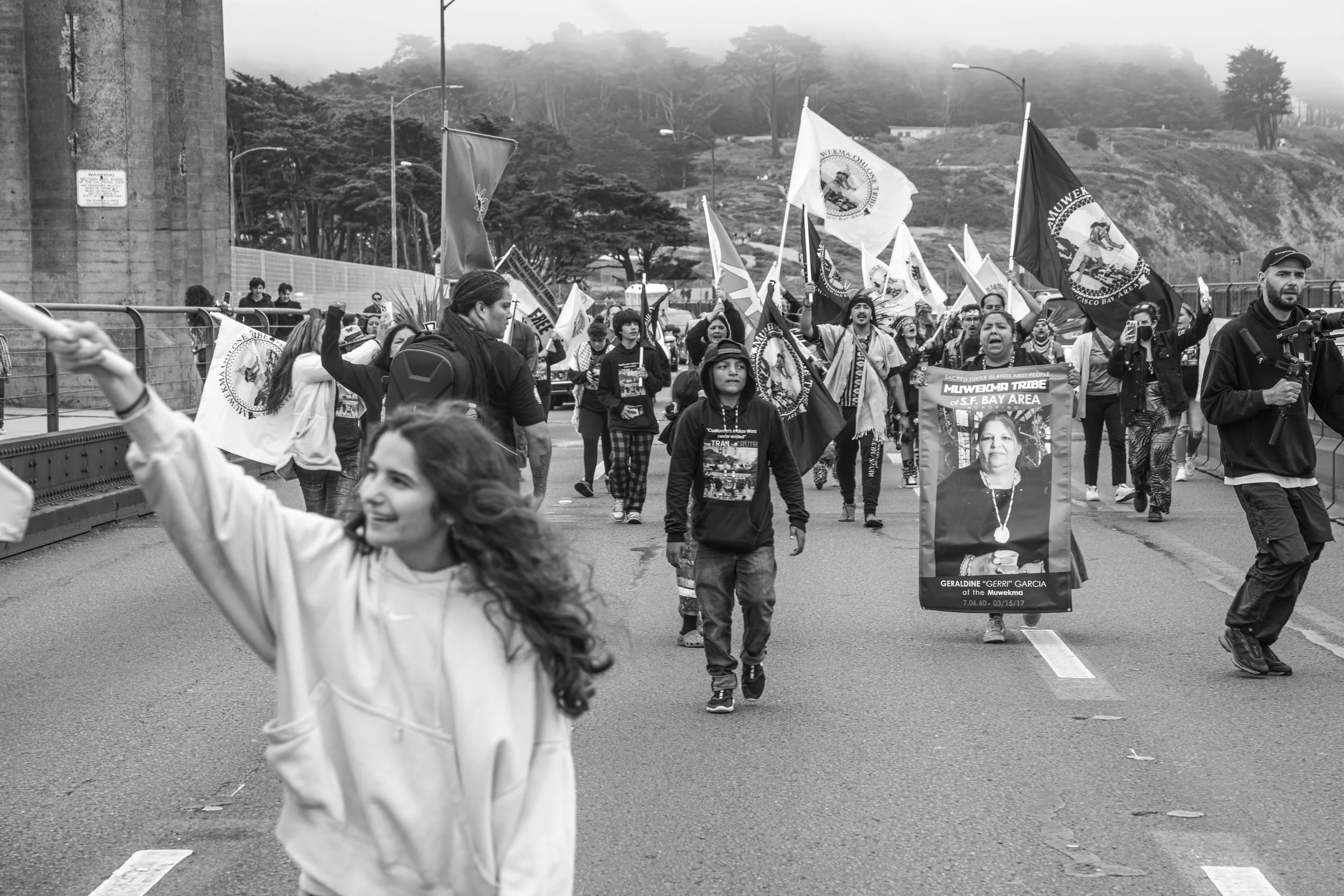
Indigenous Justice offers humanity a profound gift.
It’s the gift of a relational worldview in which law, governance, and ethics arise from kinship with all life rather than domination over it. When ancient wisdom is empowered—through land rematriation, cultural revitalization, and nation-to-nation diplomacy—the benefits cascade across the globe, healing fractured systems and illuminating paths forward that colonial frameworks have long obscured.
Ancient tradition is at the heart of planetary survival. Practices of cultural burning, seasonal harvesting, and reciprocal relationship with watersheds have sustained biodiversity for millennia. Elevated globally, these approaches transform conservation from extraction-based management into regenerative guardianship. Forests, oceans, and soils recover; carbon cycles stabilize; and species return as kin rather than resources. The same wisdom underpins circular economies, where nothing is wasted because everything exists in relationship. Indigenous models of gifting, sharing, and seasonal cycles offer blueprints for post-extractive systems that regenerate rather than deplete—replacing linear “take-make-dispose” with loops of renewal that sustain both people and planet.
International relations and democracy are reimagined through Indigenous lenses of consensus, accountability to future generations, and diplomacy rooted in ceremony and shared protocol. The Trail of Truth demonstrated this power when Muwekma Ohlone riders stood with Lakota relatives and allies, forging solidarity across recognition status and colonial borders. Scaled globally, such relational diplomacy replaces zero-sum competition into addressing shared crises.
Democratic institutions evolve beyond majority rule toward inclusive processes that include nonhuman voices—rivers, forests, and future generations—creating more resilient and legitimate systems of decision-making.
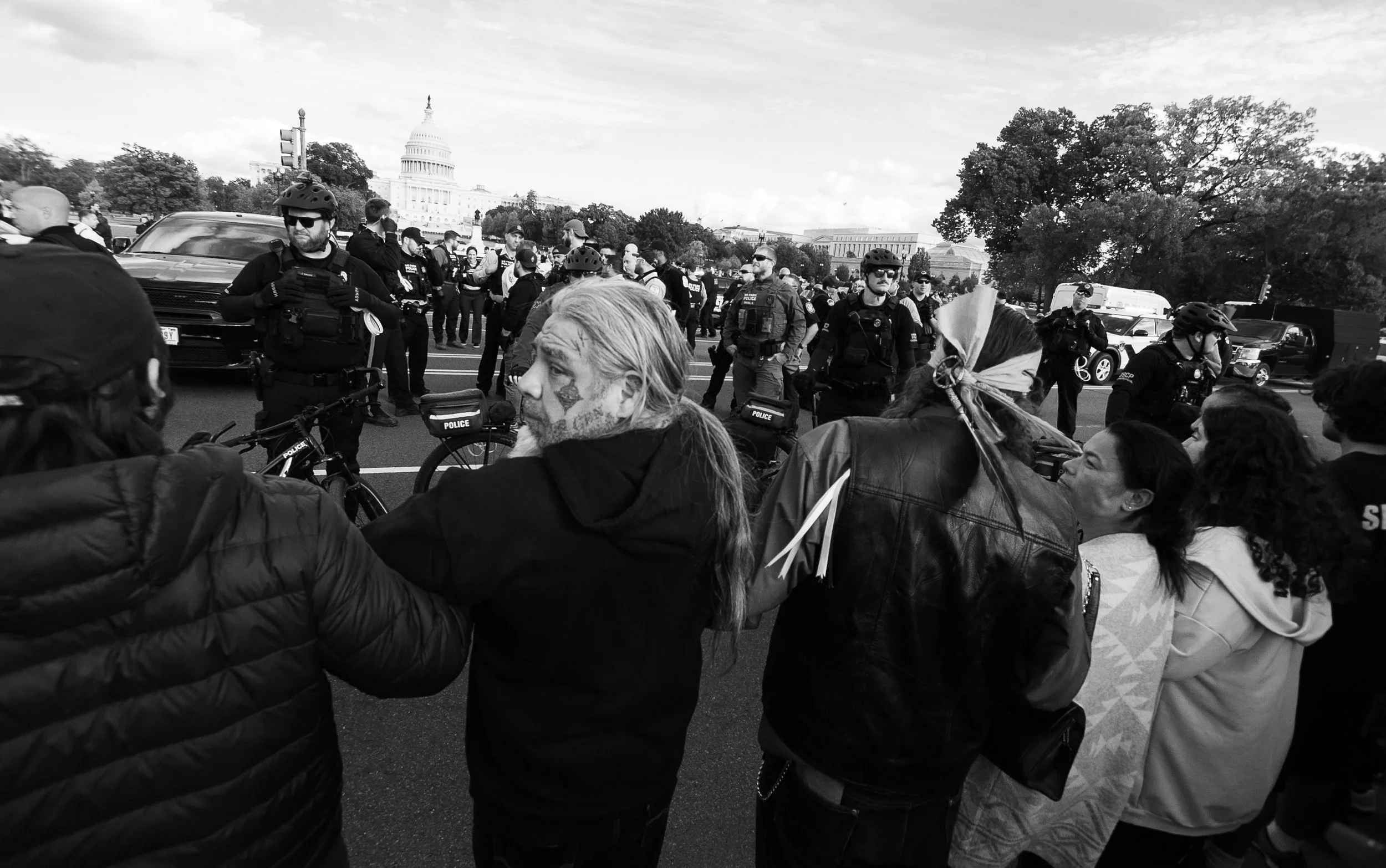
Our resilience is not mere survival.
It is a living force rooted in the land, the ancestors, and the sacred agreements that bind people to place and to one another. Across Turtle Island, it flows like an underground river—hidden for generations yet never dry—carrying the memory of who we are through every attempt at erasure. Resilience is relational. It lives in ceremony, in language, in the fire tended through the darkest nights, and in the quiet refusal to disappear. It is the grandmother who kept the songs alive in secret, the youth who returns to the land, and the rider who mounts a horse for justice when bureaucracy says no. Its power lies in continuity and collective memory.