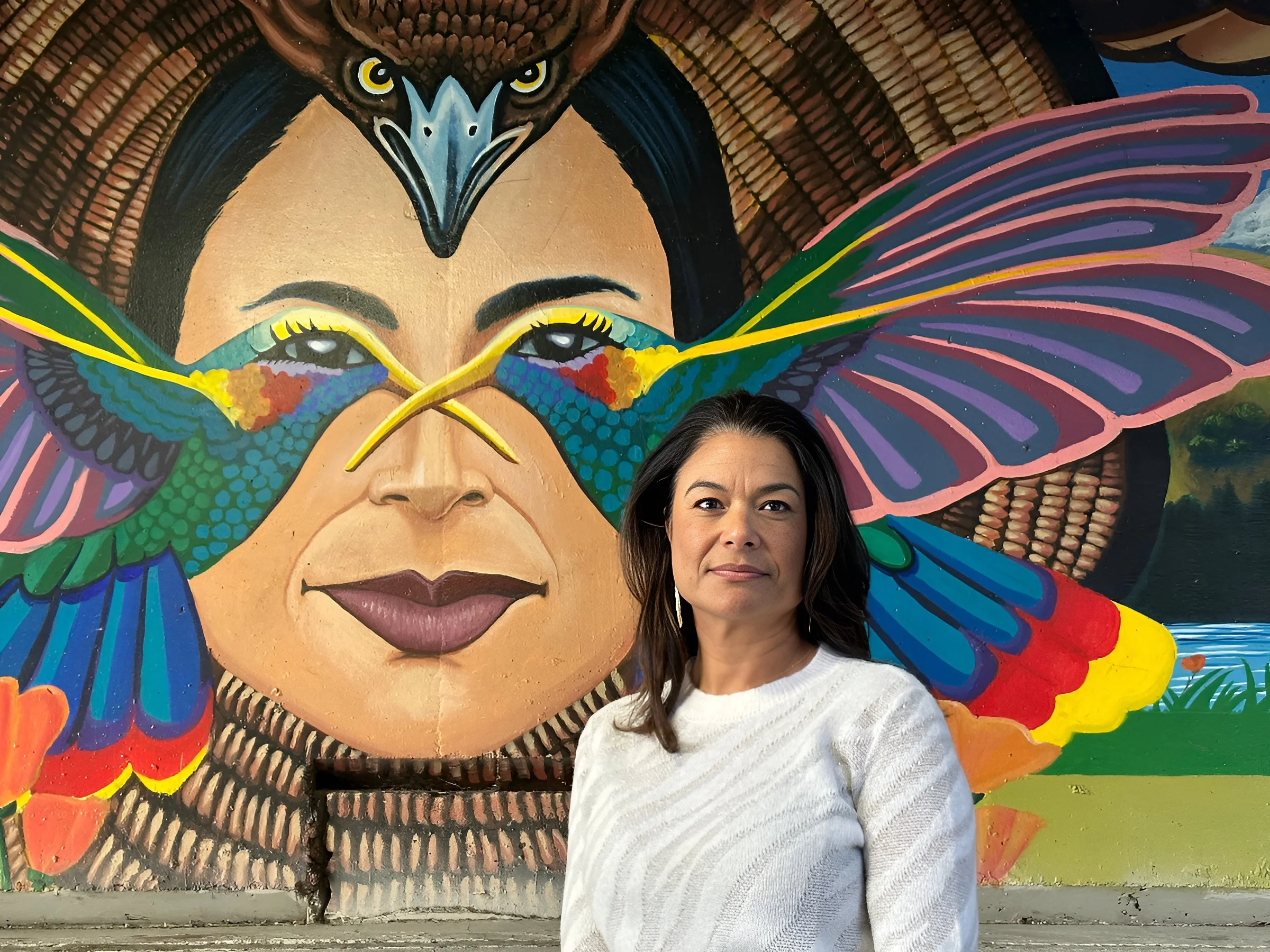
Tribal Chairwoman
What are the powers of the Tribal Chairwoman’s Office?
The Tribal Chairwoman's Office exercises executive authority as the Sovereign and Chief Executive Officer of the Tribe, presiding over Tribal Council meetings, administering the Tribal government, and ensuring effective governance. Key powers include representing the Tribe in negotiations with federal, state, local, and other Tribal governments, speaking and acting on the Tribe’s behalf, and overseeing the implementation of laws, resolutions, and policies.
The Chairwoman manages daily operations, authorizes expenditures, prepares and presents an annual budget to Council, signs official documents, and defends the Tribe’s sovereignty against all threats. The Chairwoman leads the Tribe’s administration of services delivery, economic development, and nation building pursuits. The Chairwoman may also regulate membership, domestic relations, property, taxes, and justice administration, subject to the Tribal Constitution and federal laws, fostering self-determination and community resilience.
Core Responsibilities of the Office
Presiding Over Council Meetings
The Chairperson leads and facilitates all sessions of the Tribal Council and often general or membership meetings, ensuring orderly conduct and enforcing rules of procedure.
Authority to convene the Council or membership for urgent matters outside regular schedules, including in crises.
Acting as Chief Executive and Principal Officer
Serve as the primary leader of the tribe's executive functions, overseeing day-to-day administration, implementing Council decisions, and directing tribal operations.
Represent the tribe in external affairs, including government-to-government relations with federal, state, and local governments, other tribes, Congress, agencies, and nongovernmental entities. This includes advocating for tribal interests and carrying positions on policy issues.
Execute contracts, agreements, leases, budgets, resolutions, program proposals, and other legal instruments on behalf of the tribe when authorized by Council to act as its official agent.
Advocate for and advance the tribe's cultural, economic, social, and sovereignty goals; and work to resolve problems affecting the community.
Appoint Committees, Officials, or Delegates
Name members to committees, boards, or positions (subject to Council approval in many cases), and delegate certain duties to vice chairs, staff, or others.
Make Recommendations to the Council
Propose actions on tribal business, policies, budgets, strategic priorities, and resolutions for Council consideration.
Oversee Emergency Actions
Take immediate steps to protect tribal health, safety, members, lands, or resources in imminent danger, often requiring later Council ratification.
Supervise tribal administration and staff
Provide general oversight of tribal employees, departments, or appointed executives, like the Tribal Administrator and Department Directors, ensuring execution of laws and programs.
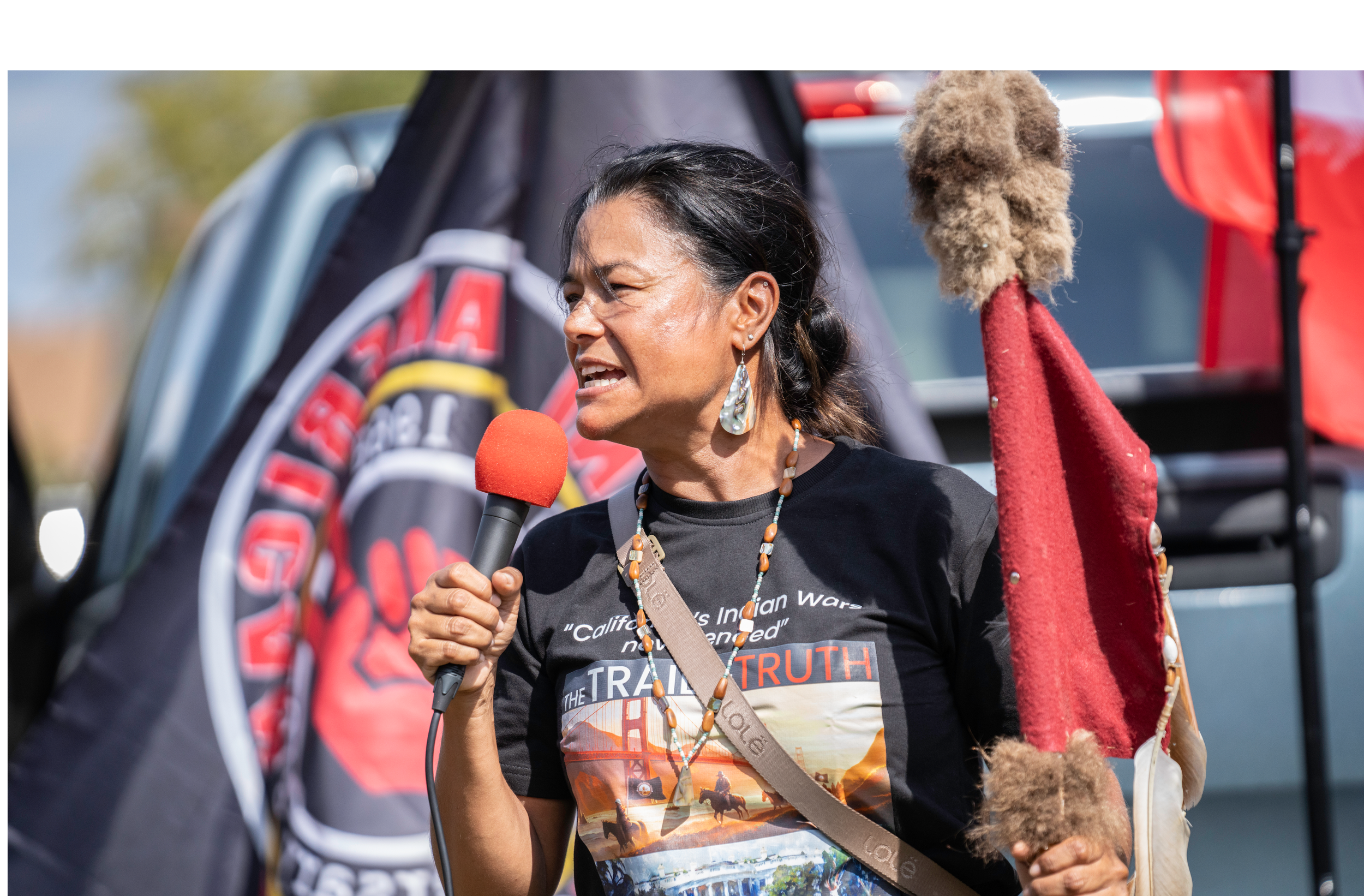
Charlene Nijmeh
Charlene C. Nijmeh is the Chairwoman of the Muwekma Ohlone Tribe of the San Francisco Bay Area, a position she has held since 2018, succeeding her mother, Rosemary Cambra, who led the Tribe for over 40 years. From the Marine-Sanchez lineage, Charlene descends directly from the first peoples of the region, with ancestors integrated into the Spanish mission system at Missions Santa Clara, San Jose, and Dolores in San Francisco. Her family’s deep roots trace back thousands of years, embodying the enduring resilience of the Ohlone people despite centuries of colonization, displacement, and systemic erasure.
Charlene’s commitment to her Tribe began at age 8 in the early 1980s, when she witnessed and participated in efforts to repatriate ancestral remains disturbed by development. This early exposure ignited a lifelong passion for advocacy, cultural preservation, and tribal sovereignty. As Chairwoman, she leads the Muwekma Ohlone in their ongoing fight for federal recognition, which would restore access to essential services, protect sacred sites, and combat generational trauma and poverty affecting the community of over 600 enrolled members.
A proud mother of five, Charlene balances family with her roles as an environmentalist, businesswoman, and nonprofit leader. In 2008, she founded 7thGeneration Recycling, a commercial textile recycling company, serving as its CEO for four years and demonstrating her dedication to sustainable practices. She also serves as Board President of Muwekma Ohlone Tribe, Inc., and the Muwekma Ohlone Preservation Foundation, advancing initiatives in cultural revitalization, language preservation, land access, and education.
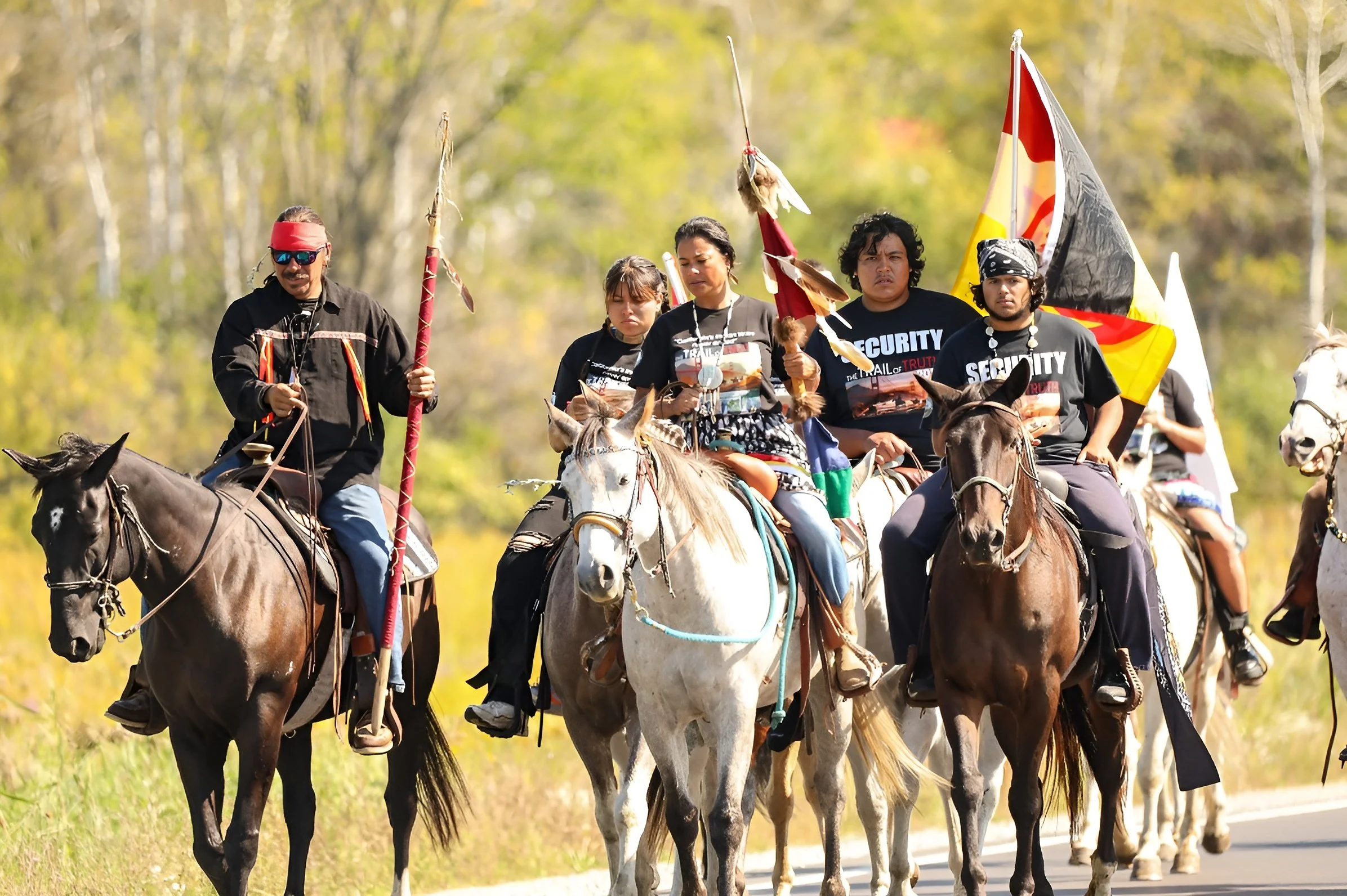
Through powerful public platforms—including her TEDxBerkeley talk “The Colonizers Among Us,” the historic “Trail of Truth” horseback journey to Washington, D.C., in 2024, and numerous media appearances—Charlene amplifies the Tribe’s history of survival and modern challenges. Her leadership emphasizes restorative justice, community unity, and unyielding defense of aboriginal rights, ensuring the Muwekma Ohlone’s voice and sovereignty endure.
Historically, the Spanish translated the name for an Ohlone leader as El Capitan.
The historic traditional leadership structure of an Ohlone village (pre-Spanish contact, before 1769) was decentralized and kinship-based, typical of California's "tribelet" societies. Ohlone peoples organized into over 50 autonomous tribelets—small, independent polities of 50–500 people (averaging ~200)—centered on one or more main villages, with boundaries defined by natural features like rivers or hills.
Each village or tribelet was led by a chief (also called captain or headman), who could be male or female. The chief resided in the largest structure, advising on seasonal resource gathering, storage, relocations, conflict resolution (internal or with neighbors), and ceremonial organization. Leadership was often hereditary, typically passing from father to son, but could go to a sister or daughter if no male heir existed.
A council of elders advised the chief, emphasizing consensus and wisdom from kinship ties. Shamans (healers or spiritual specialists, male or female) held significant influence in rituals, health, and supernatural matters but were not necessarily political leaders.
This structure prioritized community welfare, intermarriage alliances, trade, and ceremonies over centralized authority. No overarching Ohlone-wide government existed; villages interacted through trade, marriage, and occasional conflict.
The Ohlone headman (also called chief or captain) served as the primary leader of a village or tribelet in pre-contact times, holding a position of respected authority rooted in service rather than absolute power. His key roles and responsibilities included advising on seasonal resource management—determining optimal times for gathering acorns, plants, fishing, hunting, and relocating camps to ensure community sustenance and safety.
He resolved internal disputes and mediated conflicts with neighboring groups, maintaining peace and alliances through diplomacy, trade, and intermarriage.The headman organized and conducted ceremonies, gatherings, dances, and cultural transmissions (teachings, stories, songs), often leading young men to prime hunting/fishing areas.
He sanctioned marriages, oversaw resource distribution for events, and provided necessities like foods, regalia, and gifts for intertribal occasions—sometimes polygynous due to these heavy obligations. Supported by a council of elders, his leadership emphasized consensus, community welfare, and hereditary succession (typically father to son, or to female kin if needed), with status tied to responsibility.