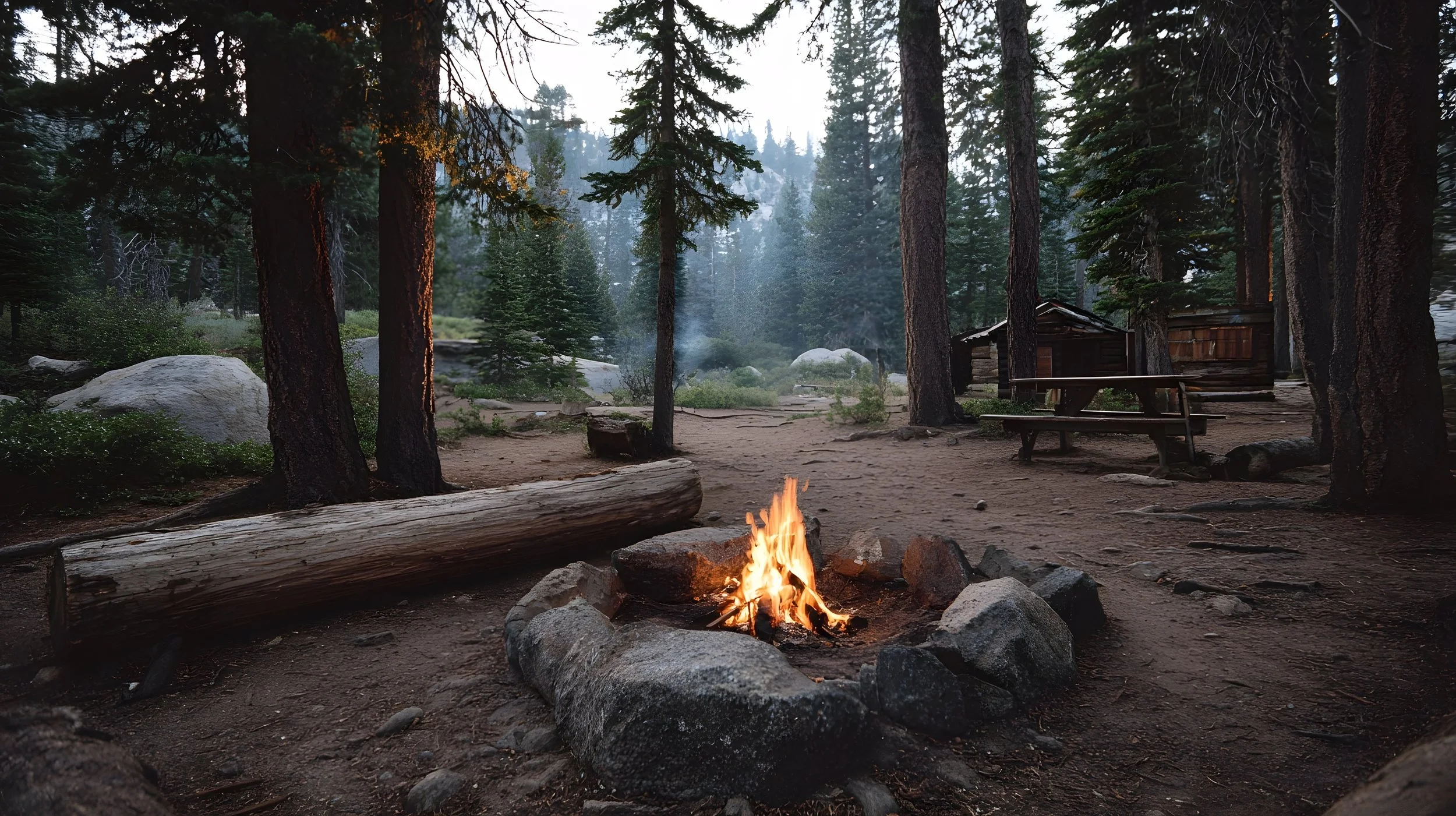
Our Firekeeper
Ancient Responsibilities
In pre-contact Ohlone societies of the San Francisco Bay Area and central California coast, fire played a central role in daily life, ecology, and cosmology. The Fire Keeper—though not always documented as a formalized titled position in the sparse ethnohistoric record—embodied a vital stewardship function within our small, semi-sedentary hunter-gatherer bands of 50–500 people organized into numerous independent local tribes or rancherias.
Ohlone communities relied on controlled burning to manage the landscape. We cleared underbrush, promoted the growth of seed-bearing plants and basketry materials, enhanced hunting grounds for deer and small game, and reduced wildfire risks near villages. Fire Keepers oversaw the maintenance of hearth fires for cooking acorn mush (a dietary staple), warmth, and light, while also coordinating or participating in broader cultural burns. These intentional fires shaped mosaic habitats, fostering biodiversity in oak woodlands, grasslands, and chaparral—practices now recognized as sophisticated Indigenous fire stewardship that sustained resource productivity for millennia.
Beyond the practical, fire held spiritual significance.
Ohlone oral traditions describe fire as a living force with dual aspects: nurturing yet potentially destructive, linked to the sun, the earth's core, and the inner "fire of life" in humans. A Fire Keeper would have tended not only physical flames but also relational protocols—offering prayers, ensuring respectful use, and preventing neglect that could anger this elemental power. In ceremonies, dances, and communal gatherings, the fire served as a focal point for storytelling, social cohesion, and evocation of the ancestors.
This role demanded knowledge of seasonal timing, wind patterns, fuel loads, and ecological responses, passed through observation and mentorship. Fire Keepers contributed to the Ohlone worldview of humans as active caretakers integrated with the land, rather than separate from it. Their responsibilities intertwined survival, environmental management, and spiritual balance in a dynamic, fire-stewarded world.
Defender of Sovereignty
The headman leads efforts to restore or achieve federal acknowledgment through petitions, legal challenges, and testimony before agencies like the Bureau of Indian Affairs, aiming to secure self-governance, land trust opportunities, housing, healthcare, and education benefits for tribal members.
Cultural Revitalization and Preservation
The headman promotes language reclamation, keeps vibrant the Tribe’s cultural and ceremonial practices, including dances, songs, regalia-making, and youth mentorship, while serving as a culture bearer to maintain traditions, issue land acknowledgments, and foster community identity amid historical erasure.
Protection of Ancestral Sites and Stewardship
The Headman often represents the tribe in consultations on heritage sites, shellmounds, and villages. Often the headman advocating against development impacts, supporting repatriation, and partnering with land trusts for conservation and access to ancestral territories.
Community Governance and Representation
Guiding tribal council decisions, overseeing operations, resolving internal matters, organizing events, and representing the tribe externally in partnerships, education outreach, media, and inter-tribal relations to promote welfare, unity, and resilience for enrolled members (often 500–800+).
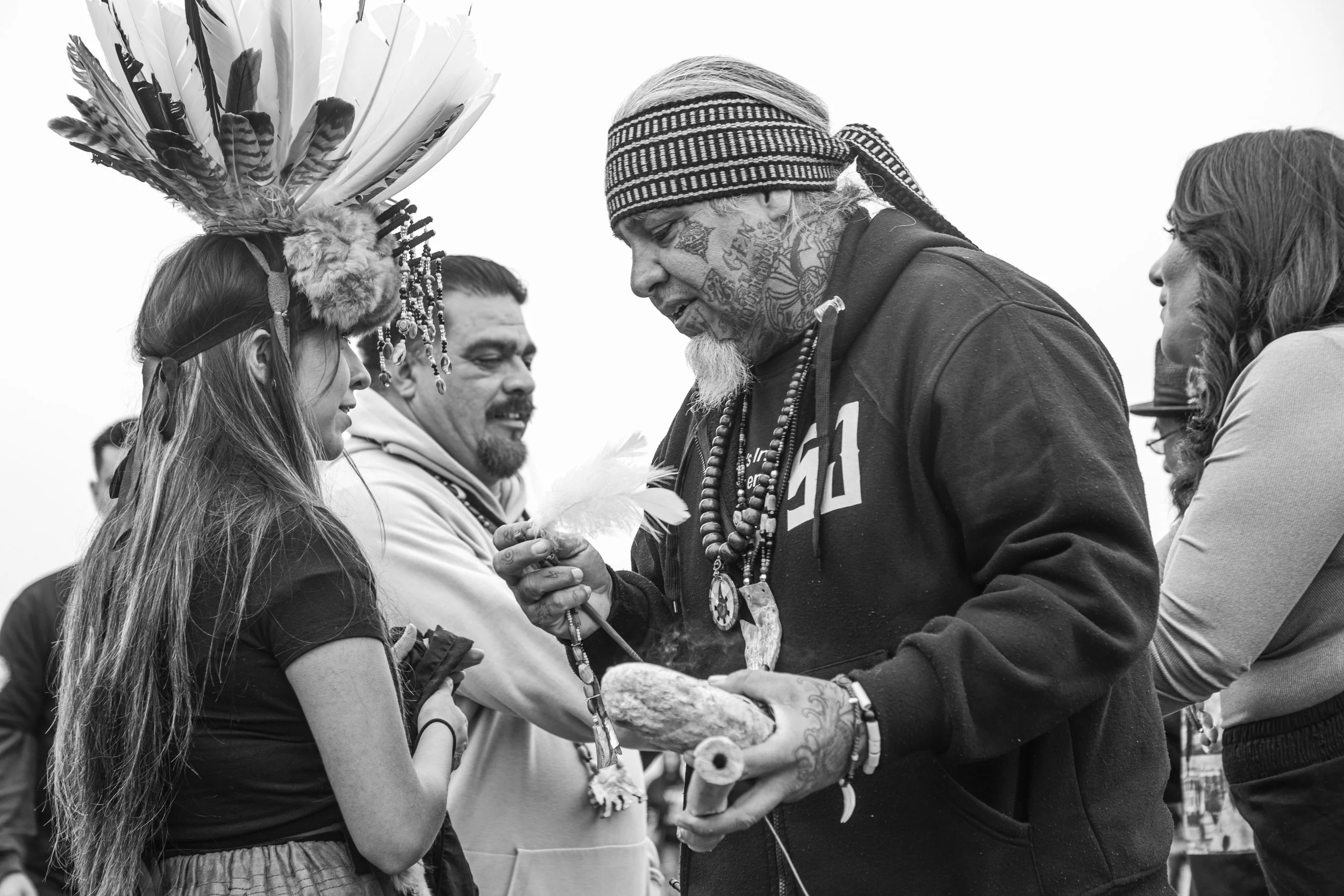
Meet Our Fire Keeper
Joey Iyolopixtli Torres serves as the Muwekma Ohlone Tribe’s Firekeeper, Culture Bearer, and Dance Captain. A spiritual leader and Traditional California Native dancer, he maintains sacred fires for ceremonies and cultural burns that honor ancestral stewardship. Joey mentors youth in song, dance, and regalia-making while revitalizing spiritual traditions and organizing gatherings to strengthen Ohlone heritage and community.